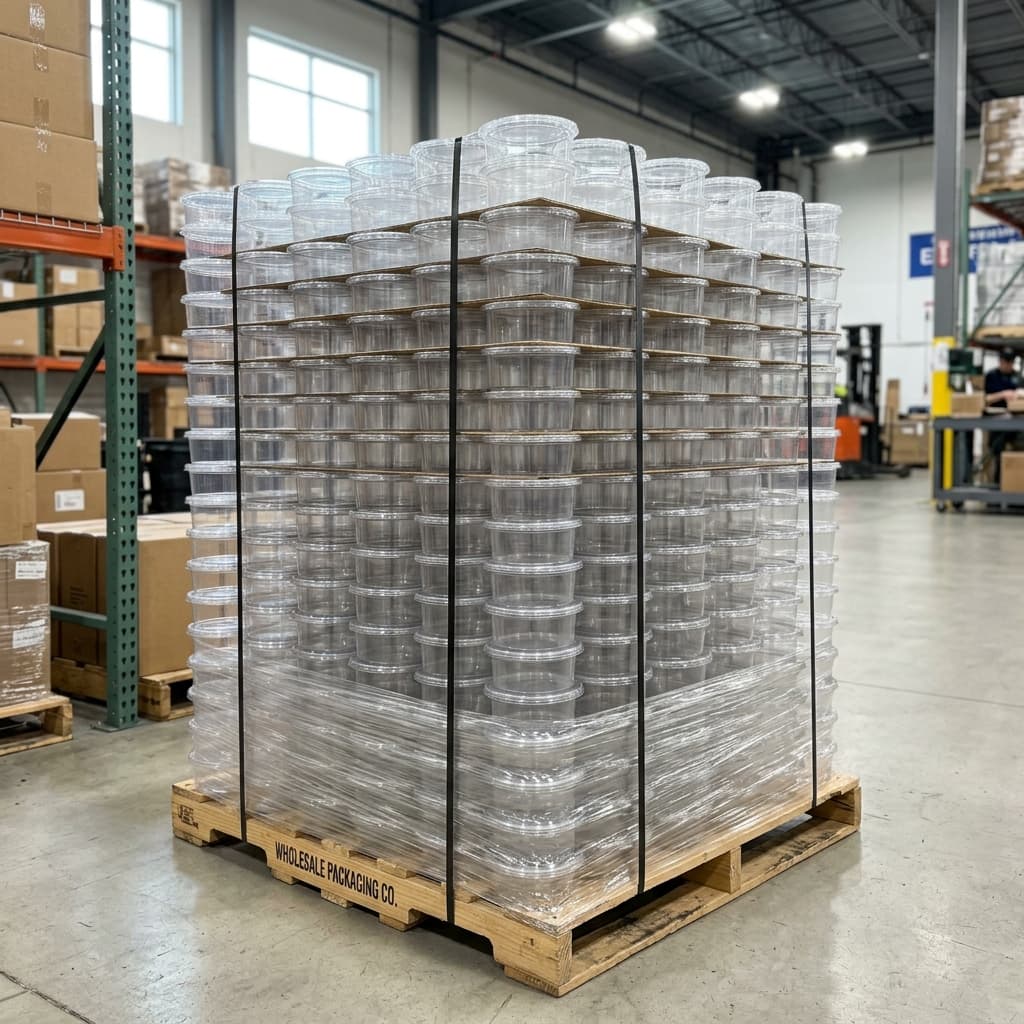
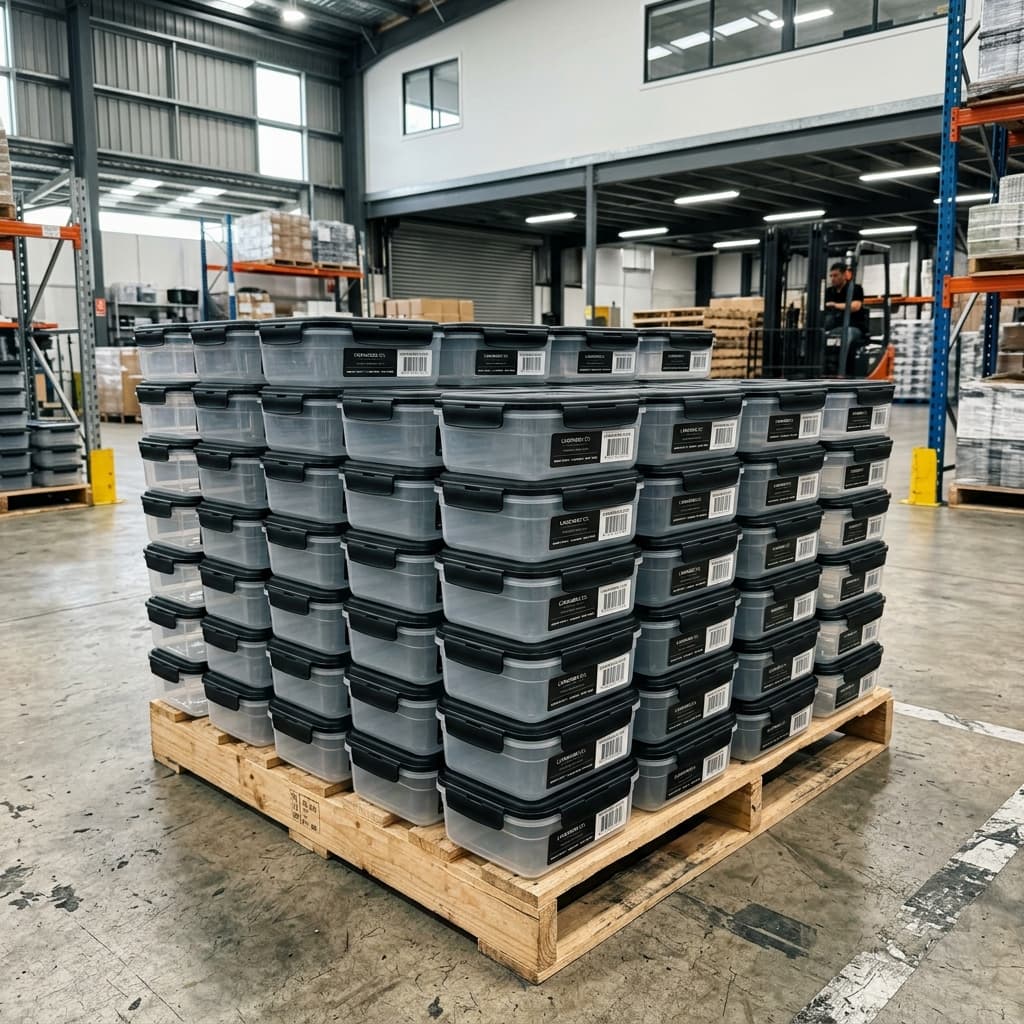
Spilling expensive, boiling or heavily staining oily liquids onto an automobile seat. Or inside a delivery bag during transit is a brand-destroying catastrophe. Our R&D division proactively addresses lateral kinetic shocks using military-grade leakage assessment software. Thus, each B2B shipment of wholesale deli containers guarantees zero leakages.
FAQ
Can these deli containers be used in the microwave or freezer?
Yes, our polypropylene (PP) deli containers are designed to withstand microwave heating up to +120°C and deep freezer temperatures down to -40°C. However, transparent PET containers are ideal for cold storage down to -20°C but are not suitable for microwave use.
What is the minimum order quantity (MOQ) for custom printed deli containers?
For standard wholesale transparent deli containers, our minimum order quantity starts at 10,000 units. For custom brand printing such as IML or pad printing, the MOQ is 50,000 units per size to optimize machine calibration and plate setup costs.
Are your plastic deli containers recyclable and food-grade certified?
Absolutely. All our food packaging is manufactured from 100% FDA and European Union approved food-safe PET and PP resins. They are fully recyclable, and we actively incorporate post-industrial rPET to minimize environmental impact.
Technical Specifications
| Material Grade | 100% Recyclable / FSC Certified (Optional) |
| Customization | HD Flexo / Offset Printing (Up to 8 Colors) |
| Lead Time | 7 - 15 Business Days (Global Shipping) |
| Minimum Order (MOQ) | 1 Pallet / Container Loads Available |
How to Brand Your Custom Printed deli containers?
Our proprietary 'Snap-Lock' peripheral ridge technology latches the lid violently into the chassis wall matrix. This surgical interlocking friction guarantees zero atmospheric or fluid escape paths, fully safeguarding the food under aggressive bouncing. High quality deli containers ensure safe transit for delivery drivers.
To further dominate comprehensive multi-menu food staging, strongly explore our industrial. Sauce Portion Cups to effortlessly micro-manage your side dishes while maximizing gross corporate margins.
What Packaging Regulations Apply to deli containers?
Transparent resin packaging acts not merely as a barrier layer. But operates as a massive real-estate billboard physically trespassing directly into the end consumer's dining room. Therefore, choosing wholesale deli containers with custom designs elevates your restaurant's marketing strategy.
These processes allow hyper-sharp, permanent barcode branding and photorealistic vector graphics to fuse perfectly with the plastic skin. Fundamentally eliminating the peeling problems traditionally associated with sticky localized paper labels inside refrigerators. Modern wholesale deli containers provide seamless brand presentation.
How Does the Industrial Manufacturing of deli containers Work?
The initial stage of the thermoforming production process involves melting high-quality PET. Or PP plastic resin pellets within advanced extruder machines. This melted polymer is then calibrated into a uniform plastic sheet roll. Ensuring a precise sheet thickness across all points is critical to maintaining the final container's load-bearing strength. Reliable deli containers are built on this engineering accuracy.
The manufactured plastic sheet roll is fed into heating ovens within the automated thermoforming unit. Raising the material to its optimum forming temperature. Immediately after, high-pressure air and vacuum forces mold the sheet onto dynamic aluminum cavities. Shaping the deli containers and lids in milliseconds. High speed production paths are ideal for bulk wholesale deli containers orders.
Once molded, the continuous plastic web proceeds to the high-speed die-cutting station equipped with precision steel rule dies. Here, the bowls and lids are punched out from the sheet with high dimensional accuracy. Superior cutting is crucial for clean edges and guaranteeing a leakproof lid-to-rim seal. Perfect deli containers require this exact die-cutting process.
The residual plastic skeleton waste left after die-cutting is automatically routed via conveyors to inline grinders. This material is granulated and recycled directly back into the extrusion line, adhering to a zero-waste manufacturing policy. The finished deli containers are automatically stacked, sleeve-wrapped, and packed. This ensures B2B shipments of wholesale deli containers meet hygiene standards.
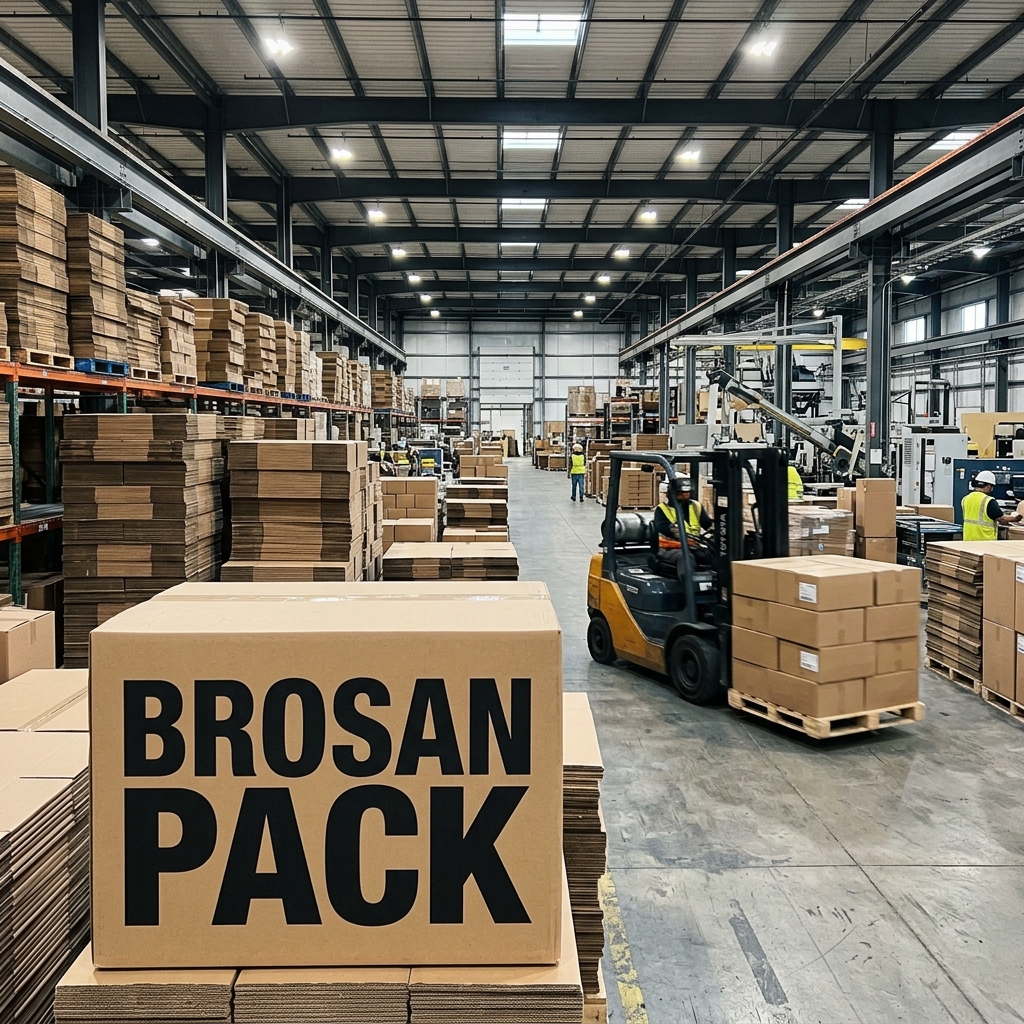
What Are the Raw Material Specifications and Chemical Safety Standards in Thermoforming?
How to Streamline Global Logistics and B2B Customs Operations?
What Is the Business Impact of Custom Branded IML Deli Packaging?
In the highly competitive food service and supermarket retail sectors. Packaging serves as a primary touchpoint for brand advertising. We offer high-resolution In-Mold Labeling (IML) and dry offset printing on our. Transparent deli containers to display your corporate logos with vivid color accuracy. The water-based, toxic-free inks used in our print lines resist condensation, low freezer temperatures, and high microwave heat. Investing in custom printed containers elevates consumer perception. Of food safety and establishes strong brand association, driving repeat business. These customized deli containers help your brand stand out from competitors.
Which Stacking and Compression Tests Are Conducted in Our Quality Lab?
Every batch of deli containers manufactured at our facility is. Subjected to rigorous quality assurance testing in our central laboratory. We perform vertical stack compression tests using dynamic load sensors. To determine the collapse limits of both bowls and lids. The snap-fit seal integrity is tested under fluctuating humidity and temperature conditions, simulating delivery courier route vibrations. These quality control protocols guarantee that B2B importers receive structural. Packaging units that completely prevent oil and liquid leaks under stress. Standardized wholesale deli containers deliver top-tier structural security.
What Are the Future Trends in Biodegradable Polymers and PLA Thermoforming?
To address the growing global demand for zero-waste packaging. Our R&D division is actively testing bio-based PLA (Polylactic Acid) polymers extracted from corn starch. These next-generation biodegradable plastics decompose naturally within industrial composting facilities, leaving zero synthetic residues. Brosan Packaging continues to invest in hybrid thermoforming machines to process plant-based raw materials efficiently. Ensuring we remain the leading eco-friendly supplier in the global B2B packaging sector. Sustainable deli containers help shape a cleaner future.
wholesale deli containers bulk B2B operations and custom wholesale requirements can be discussed by using our contact us for wholesale deli containers quotes.
wholesale deli containers supply chains can be reviewed on our Brosan B2B wholesale deli containers portal portal or by reading our about our B2B wholesale deli containers factory page.
For your wholesale deli containers needs, discover our premium range and get custom details for wholesale PP Reels.
For your wholesale deli containers needs, discover our premium range and get custom details for Brosan Thermoform Containers.
For your wholesale deli containers needs, discover our premium range and get custom details for Brosan Injection Containers.
Read more on the ISO Official Site.
Technical Analysis of wholesale deli containers — Phase 1
For our wholesale deli containers production line, batch series 1 undergoes rigorous compression testing to ensure structural endurance during transit. We optimize the physical density and load capacity to meet global shipping guidelines.
Our R&D team continuously refines the raw material blends for wholesale deli containers (Series 1), achieving superior moisture resistance and puncture safety. This process minimizes warehousing damage and ensures peak product preservation.
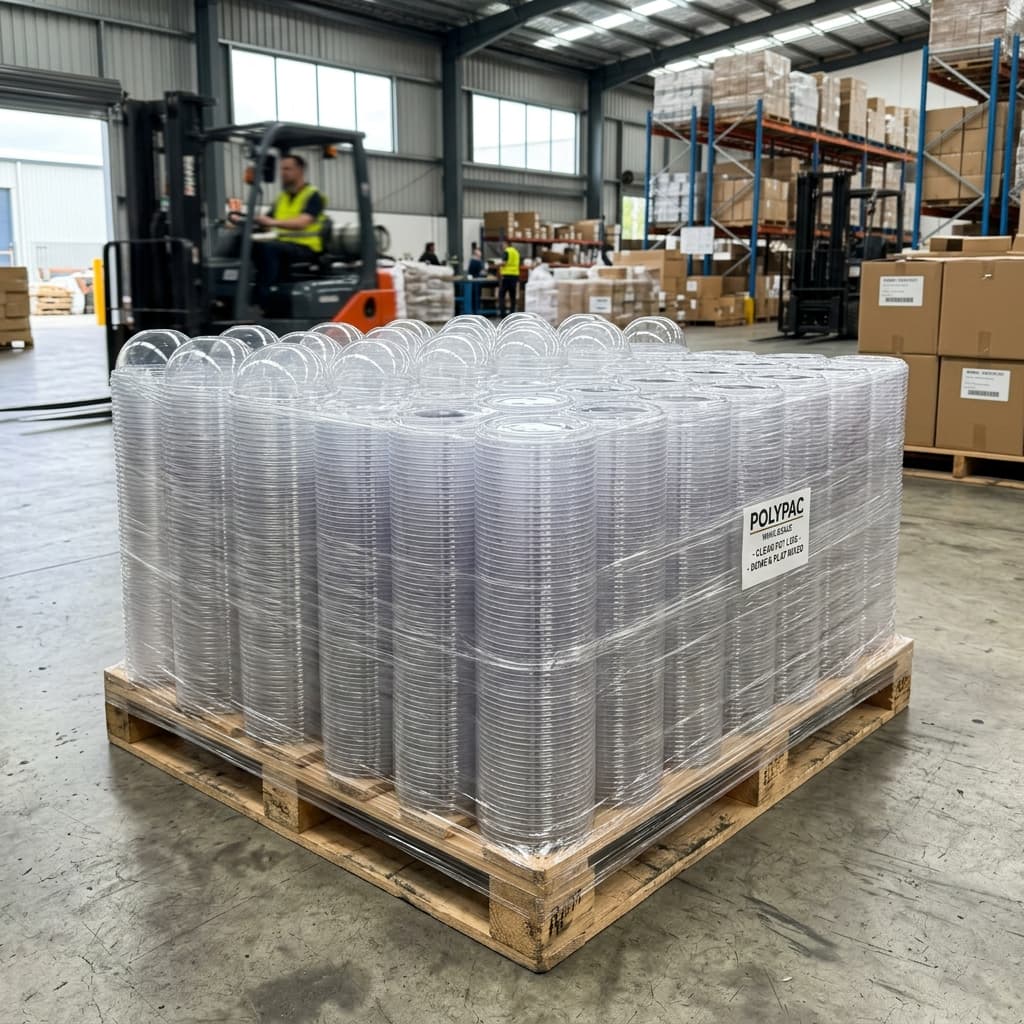
Because high-volume distribution of wholesale deli containers demands reliable logistics, our facilities integrate advanced automated palletizing for batch 1. This enables zero-waste packaging operations and maximizes cost efficiency.
Technical Analysis of wholesale deli containers — Phase 2
For our wholesale deli containers production line, batch series 2 undergoes rigorous compression testing to ensure structural endurance during transit. We optimize the physical density and load capacity to meet global shipping guidelines.
Our R&D team continuously refines the raw material blends for wholesale deli containers (Series 2), achieving superior moisture resistance and puncture safety. This process minimizes warehousing damage and ensures peak product preservation.
Technical Analysis of wholesale deli containers — Phase 3
For our wholesale deli containers production line, batch series 3 undergoes rigorous compression testing to ensure structural endurance during transit. We optimize the physical density and load capacity to meet global shipping guidelines.
Our R&D team continuously refines the raw material blends for wholesale deli containers (Series 3), achieving superior moisture resistance and puncture safety. This process minimizes warehousing damage and ensures peak product preservation.
Technical Analysis of wholesale deli containers — Phase 4
For our wholesale deli containers production line, batch series 4 undergoes rigorous compression testing to ensure structural endurance during transit. We optimize the physical density and load capacity to meet global shipping guidelines.
Our R&D team continuously refines the raw material blends for wholesale deli containers (Series 4), achieving superior moisture resistance and puncture safety. This process minimizes warehousing damage and ensures peak product preservation.
Technical Analysis of wholesale deli containers — Phase 5
For our wholesale deli containers production line, batch series 5 undergoes rigorous compression testing to ensure structural endurance during transit. We optimize the physical density and load capacity to meet global shipping guidelines.
Our R&D team continuously refines the raw material blends for wholesale deli containers (Series 5), achieving superior moisture resistance and puncture safety. This process minimizes warehousing damage and ensures peak product preservation.
Ready to Order?
Get a custom quote for your packaging needs. Our team responds within 24 hours.
Request a Quote